← New search

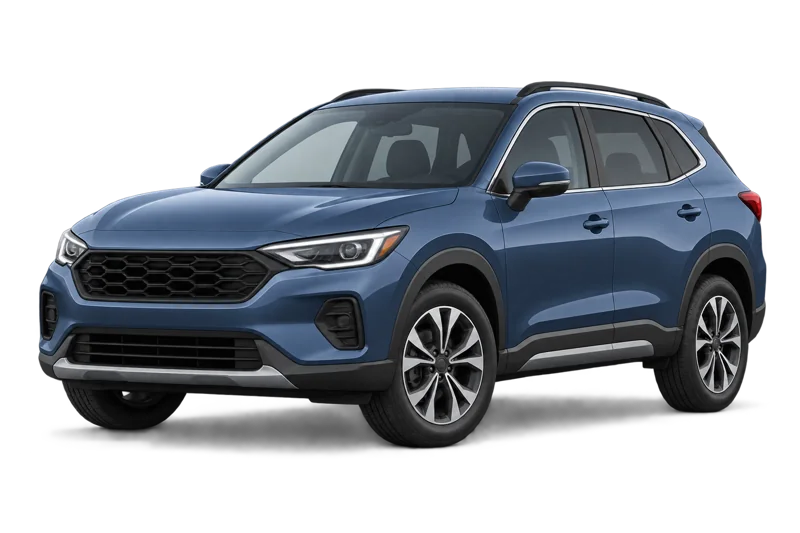
2021 Toyota Venza Hybrid

Owner reports · Recalls · Investigations

How this year compares

Owner complaints by model year

Other model years Selected year
Compare all Venza Hybrid years →

Counts vary with age, sales and reporting. They are not failure rates.

What owners reported most

All reported categories

Tap a category to read its complaints. One report may name several components.

When problems were reported

Mileage at the reported incident

Limited mileage data: 15 of 188 reports include usable mileage. There isn’t enough coverage to show a useful chart.

NHTSA’s mileage field refers to the reported incident, not necessarily the filing date. This shows report counts, not the likelihood of a failure.

What to inspect

Issues worth paying extra attention to based on owner reports.

  • Visibility/wiper. Review the 74 owner reports in this category and discuss these concerns during a pre-purchase inspection. Read reports →
  • Exterior Lighting. Review the 16 owner reports in this category and discuss these concerns during a pre-purchase inspection. Read reports →
  • Electrical System. Review the 15 owner reports in this category and discuss these concerns during a pre-purchase inspection. Read reports →

NHTSA owner reports · September 18, 2026 snapshot.

15 crash reports0 fire reports9 injury reports

Seat Belts complaints

3 reports
Clear category filter
Mileage unknown · Mar 11, 2024
Electrical SystemSeat BeltsVehicle Speed ControlCrashInjury

The crash occurred at 2:50 PM on January 10, 2024 while pulling our 2021 Toyota Venza into a diagonal parking space on a slight upgrade. The vehicle surged over the curb, across the sidewalk and into a brick wall with gas pipelines attached to it. As this was happening, the driver yelled, “I don’t know what’s happening.” The ca…

Read full complaint

The crash occurred at 2:50 PM on January 10, 2024 while pulling our 2021 Toyota Venza into a diagonal parking space on a slight upgrade. The vehicle surged over the curb, across the sidewalk and into a brick wall with gas pipelines attached to it. As this was happening, the driver yelled, “I don’t know what’s happening.” The car then rebounded onto the sidewalk and was turned off quickly because of a gas smell. We exited the vehicle and tried to keep people away from the scene because of the smell. The passenger had great difficulty getting out of the car because the passenger side door was blocked by a tree in the median. The Fire Department cleared the area, the police interviewed both the driver and the passenger and the gas company arrived to repair the meters and pipes. No citation was issued. During a call on January 12, 2024 to cancel a pre-paid service agreement, we were referred to the Toyota Brand Engagement Center who interviewed us before forwarding information on to the Toyota Liability Team. Toyota sent a contractual employee to download the information from the vehicle’s computer modules for further analysis by Toyota. On February 20, 2024, Toyota issued a report that stated the vehicle had no defects related to the accident and that the accelerator pedal had been fully depressed prior to impact. The report did not address other information that was provided to individuals investigating the incident, including information about the incident itself, information about a delayed acceleration event several days prior to the incident and notification from the local Toyota dealer the next day that a check engine light had come on around 2:50 the day of the incident followed a minute later by alarms indicating “airbag failure to deploy” and “hybrid system failure.” The report also did not address the possibility of a problem with the throttle system, specifically the accelerator sensor.

NHTSA ODI #11576503

Mileage unknown · Jan 4, 2023
Seat Belts

Extremely loud seatbelt warning chimes created a hazardous situation by causing a severe distraction, preventing ability to hear traffic, and having no way to correct the situation. I had a near miss accident while trying to figure out what was wrong, and was forced to make a very dangerous stop on the side of a highway to corr…

Read full complaint

Extremely loud seatbelt warning chimes created a hazardous situation by causing a severe distraction, preventing ability to hear traffic, and having no way to correct the situation. I had a near miss accident while trying to figure out what was wrong, and was forced to make a very dangerous stop on the side of a highway to correct the problem. The seatbelt warning chime was improperly triggered by a fault in Toyotas programming. A child briefly plugged their seatbelt into the 'wrong' receptacle in the rear seat. They quickly realized it was the wrong one and plugged it into the correct receptacle. After visually and verbally checking with my child that they were properly restrained, we left a parking spot at a shopping center and got almost immediately onto a highway. The car improperly deduced there was a child in the middle seat because of the brief failed attempt of buckling into the wrong buckle. And since the buckle was not buckled, it assumed there was an unbuckled child now in the middle rear seat. After some testing, it seems the only way to clear this alarm is to fully stop the vehicle and open one of the rear doors. This is how Toyota decided to 'clear' the status of someone leaving the car. The seatbelt warning system does not begin it's chimes until the vehicle has reached a certain speed, which did not occur until I was on the highway. The extremely loud chime with no obvious reason created a panic situation. The child was unable to help in the rear because they did not understand, and would not have been able to safely reach over and buckle the unoccupied seat anyway. While focused on resolving the intrusive noise, we had a near miss situation. I was unable to hear any of the safety system warnings over the chimes. Ultimately I had to perform a dangerous stop on a 65mph highway to get out, and figure out why the car thought there was someone in the rear seat that wasn't there.

NHTSA ODI #11500065

15 miles · Apr 10, 2021
Seat BeltsCrashInjury

OUR CAR IMPACTED WITH ANOTHER AS WE TRIED TO ENTER THE HIGHWAY FROM A SHORT MERGE LANE. THE OTHER CAR ENTERED IN FRONT OF US FROM THE SIDE OF THE ROAD AFTER WE PASSED A STOP SIGN IN THE MERGE LANE; THE OTHER CAR THEN STOPPED SHORT BEFORE ENTERING THE HIGHWAY, JUST AS WE WERE SPEEDING UP THE ENTER THE HIGHWAY. A SENSOR SOUNDED IN…

Read full complaint

OUR CAR IMPACTED WITH ANOTHER AS WE TRIED TO ENTER THE HIGHWAY FROM A SHORT MERGE LANE. THE OTHER CAR ENTERED IN FRONT OF US FROM THE SIDE OF THE ROAD AFTER WE PASSED A STOP SIGN IN THE MERGE LANE; THE OTHER CAR THEN STOPPED SHORT BEFORE ENTERING THE HIGHWAY, JUST AS WE WERE SPEEDING UP THE ENTER THE HIGHWAY. A SENSOR SOUNDED IN OUR CAR, WE SLAMMED ON THE BRAKES, AND THE TWO CARES COLLIDED. THE PASSENGER SIDE FRONT OF OUR VEHICLE WAS DAMAGED; THE REAR DRIVE SIDE OF THE OTHER CAR WAS DAMAGED. DRIVER SIDE SEATBELT IN OUR CAR OPERATED NORMALLY. PASSENGER SIDE SEATBELT IN OUR CAR LOOSENED INSTEAD OF TIGHTENED; PASSENGER HIT HEAD ON DASHBOARD AS BRAKES WERE HIT OR IMPACT HAPPENED (WE WERE GOING APPROX. 15 MPH. UPON IMPACT). SAID PASSENGER OBSERVED UPON IMPACT OF HEAD ON DASH THAT HER SEAT BELT WAS HANGING SLACK AWAY FROM HER CHEST BY APPROX. SIX TO EIGHT INCHES. TOYOTA PRODUCT LIABILITY DEPT. WAS INFORMED (CASE NUMBER 210409002008) BETWEEN 6:15 AND 7:30 PM ON FRIDAY, APRIL 9TH, 2021. THEY SAY THEY WILL DOWNLOAD THE "BLACK BOX" INFORMATION, BUT THEY HAVEN'T COMMITTED TO A PHYSICAL INSPECTION OF THE SEATBELT, WHICH SEEMS CRITICAL (I.E., THAT A SEATBELT ENGINEER PHYSICALLY INVESTIGATE).*DT

NHTSA ODI #11407404

Official recalls

2

22V239000 · Electronic Stability Control (esc):control Module:software

Apr 13, 2022

Toyota Engineering & Manufacturing (Toyota) is recalling certain 2022 Lexus LX 600, Lexus NX 350h, Lexus NX 450h+, Toytoa RAV4 Hybrid, 2021-2022 Lexus LS 500h, Toyota Mirai, RAV4 PRIME, Sienna, Venza, and 2020-2022 Toyota Highlander Hybrid vehicles. The Skid Control ECU software may not turn on the Vehicle Stability Control (VSC) system when the vehicle is restarted after the driver has disabled the VSC system. As such, these vehicles fail to comply with the requirements of Federal Motor Vehicle Safety Standard number 126, "Electronic Stability Control Systems."

Consequence & remedy

Consequence: Driving with a deactivated stability control system increases the risk of a crash.

Remedy: Dealers will update the Skid Control ECU software, free of charge. Owner notification letters were mailed May 27, 2022. Owners may contact Toyota customer service at 1-800-331-4331. Toyota's number for this recall is 22TA03. Lexus' number for this recall is 22LA01.

22V033000 · Exterior Lighting:hazard Flashing Warning Lights; Exterior Lighting:turn Signal:bulbs

Jan 26, 2022

Toyota Motor Engineering & Manufacturing (Toyota) is recalling certain 2021 Venza Hybrid vehicles. Water may enter the rear turn signal LED lights, allowing condensation to form on the circuit board, and causing a short circuit. As such, these vehicles fail to comply with the requirements of Federal Motor Vehicle Safety Standard number 108, "Lamps, Reflective Devices, and Associated Equipment."

Consequence & remedy

Consequence: A short circuit can cause dimming or failure of the rear turn signals and hazard lights, reducing the vehicle's visibility to other drivers and increasing the risk of a crash.

Remedy: Dealers will replace both rear turn signal LED bulbs and replace the rear turn signal light assembly as necessary, free of charge. Interim owner notification letters, informing owners of the safety risk, were mailed March 18, 2022. Remedy parts are expected to be available by June 30, 2022. Owners may contact Toyota customer service at 1-800-331-4331. Toyota's number for this recall is 22TB01/22TA01.

Additional source detail variants (2)

Exterior Lighting:hazard Flashing Warning Lights

Toyota Motor Engineering & Manufacturing (Toyota) is recalling certain 2021 Venza Hybrid vehicles. Water may enter the rear turn signal LED lights, allowing condensation to form on the circuit board, and causing a short circuit. As such, these vehicles fail to comply with the requirements of Federal Motor Vehicle Safety Standard number 108, "Lamps, Reflective Devices, and Associated Equipment."

Consequence: A short circuit can cause dimming or failure of the rear turn signals and hazard lights, reducing the vehicle's visibility to other drivers and increasing the risk of a crash.

Remedy: Dealers will replace both rear turn signal LED bulbs and replace the rear turn signal light assembly as necessary, free of charge. Interim owner notification letters, informing owners of the safety risk, were mailed March 18, 2022. Remedy parts are expected to be available by June 30, 2022. Owners may contact Toyota customer service at 1-800-331-4331. Toyota's number for this recall is 22TB01/22TA01.

Exterior Lighting:turn Signal:bulbs

Toyota Motor Engineering & Manufacturing (Toyota) is recalling certain 2021 Venza Hybrid vehicles. Water may enter the rear turn signal LED lights, allowing condensation to form on the circuit board, and causing a short circuit. As such, these vehicles fail to comply with the requirements of Federal Motor Vehicle Safety Standard number 108, "Lamps, Reflective Devices, and Associated Equipment."

Consequence: A short circuit can cause dimming or failure of the rear turn signals and hazard lights, reducing the vehicle's visibility to other drivers and increasing the risk of a crash.

Remedy: Dealers will replace both rear turn signal LED bulbs and replace the rear turn signal light assembly as necessary, free of charge. Interim owner notification letters, informing owners of the safety risk, were mailed March 18, 2022. Remedy parts are expected to be available by June 30, 2022. Owners may contact Toyota customer service at 1-800-331-4331. Toyota's number for this recall is 22TB01/22TA01.

Model-level recall history does not show whether a particular VIN is affected or has received a repair. Check a VIN with NHTSA ↗

NHTSA investigations

1

DP22005 · Pedestrian Alert Sounds

Opened Jan 27, 2023 · Closed Aug 7, 2023

Status: closed (inferred from source dates) · Electrical System:propulsion System

NHTSA received a petition on or about July 18, 2022, requesting that Federal Motor Vehicle Safety Standard (FMVSS) 141 be applied to all electric and hybrid vehicles operating in the United States. The petition can be reviewed at NHTSA.gov under ODI Number 11486072. FMVSS 141 establishes performance requirements for pedestrian alert sounds for motor vehicles. The standard applies to hybrid and electric vehicles that have a gross vehicle weight rating of 4,536 KG or less or are defined as low-speed vehicles. The standard became fully applicable to all such vehicles manufactured on or after March 1, 2021.On January 27, 2023, NHTSA opened Defect Petition (DP) 22-005 to evaluate the subject matter described in the petition. On June 24, 2023 and as supplemented on June 25, 2023, the petitioner notified NHTSA he was withdrawing his petition. The petitioner indicated that, based on his review of data, there is no justification for asserting potential benefits that could be derived from actions sought by my petition. Based on the petitioner's withdrawal, DP22-005 is closed. Closure of this DP does not represent a determination by NHTSA regarding the subject matter of the petition.